
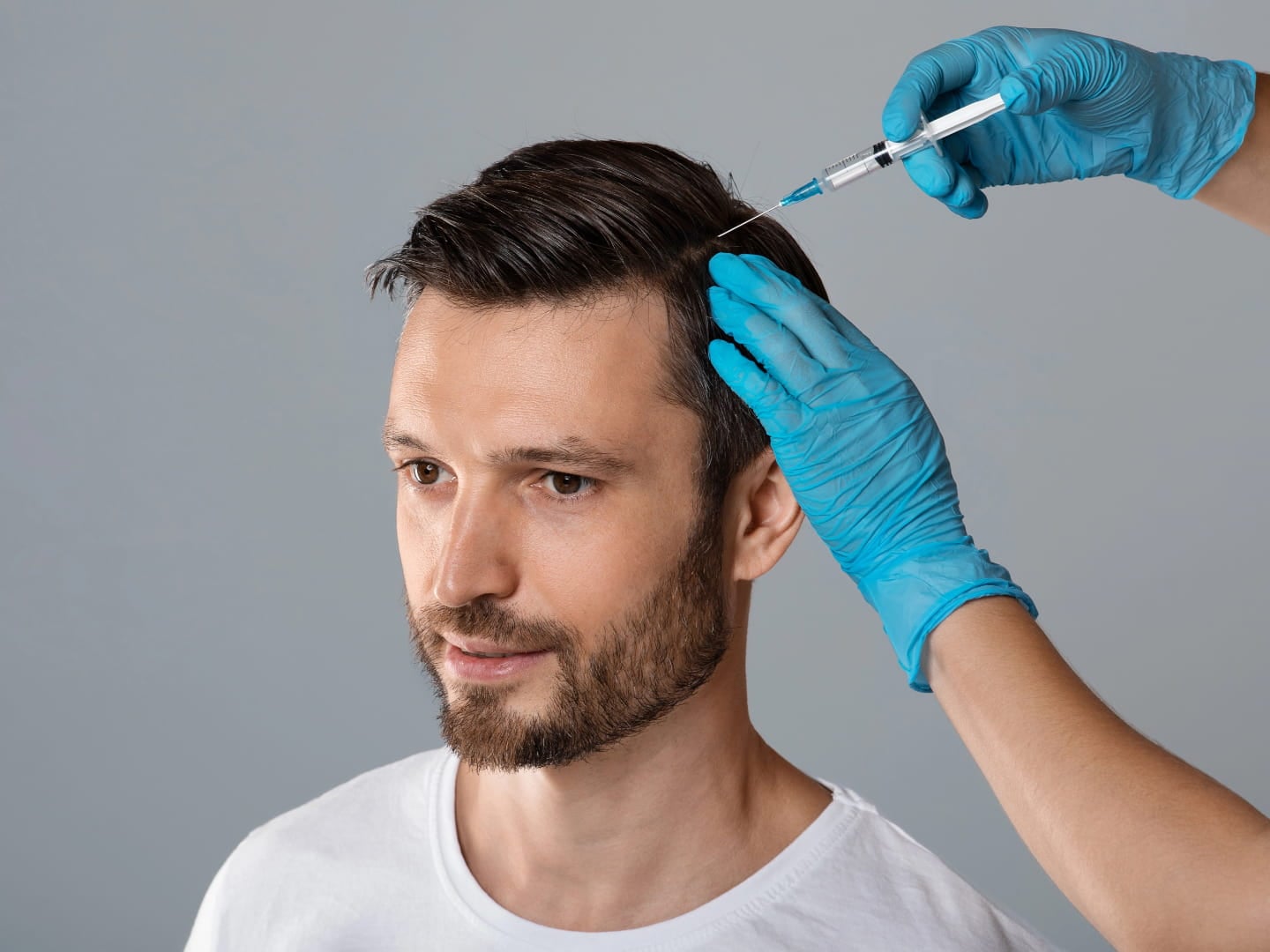
Why PRP Does Not Require FDA Approval
Although PRP (platelet-rich plasma) is widely used in medicine for hair loss treatment, skin rejuvenation, wound healing, and joint pain relief, it remains a therapy that has not been approved by the U.S. Food and Drug Administration (FDA).
Despite its widespread adoption by internationally recognized academic medical centers and private clinics, the erroneous view is often promoted on social media—for competitive reasons or due to misunderstanding—that the lack of FDA approval makes the treatment unsafe, illegal, or medically inappropriate.
See below for the reasons why FDA approval is not required.
1. Autologous Therapy
The reality is that PRP does not require FDA approval because it is an autologous product, meaning it is derived from the patient’s own blood, and is considered a medical procedure rather than a drug.
FDA regulations clearly state that human cells, tissues, and cell-based products that undergo minimal manipulation and are intended for autologous transfer (from the patient to themselves) during the same surgical procedure are exempt from the approval processes required for new drugs [1].
2. PRP Is Not a Drug
The FDA grants approval for drugs and medical devices. Since PRP is not an industrially manufactured drug or foreign substance, this procedure does not fall under the licensing processes that the FDA follows for pharmaceutical preparations. Given that it is not synthetically produced nor modified with additives, it does not fall within the FDA’s regulatory framework [2].
3. Device Clearance
While the therapy itself does not require FDA approval, the equipment used to prepare PRP (centrifuges, specialized tubes) must be FDA-cleared. Once a device has been cleared as safe for separating blood components, physicians can legally use it to prepare PRP for therapeutic purposes, such as treating hair loss or wounds.
This use is known as “off-label” use, which is a standard, legal, and established element of modern medical practice [3].
4. The Scientific Community’s Position
Internationally recognized scientific organizations, such as the ISHRS (International Society of Hair Restoration Surgery) and the American Society of Plastic Surgeons, acknowledge that while PRP therapy for hair restoration is technically “unapproved,” it is completely legal and is a standard treatment option for hair restoration [3] [4].
5. The Safety Profile
One of the most compelling arguments for the use of PRP is its high safety profile. Because the product is autologous, the risk of allergic reaction, foreign body rejection, or systemic toxicity is practically non-existent.
Numerous studies show that adverse effects are rare, mild, and transient. Large-scale studies have not documented significant adverse effects such as scarring, infections, hematomas, or allergic reactions.
Side effects are mild and temporary, such as pain at the injection site lasting a few minutes to several hours, and local swelling for 24–48 hours. More rarely, mild headache and scalp itching may occur [5] [6].
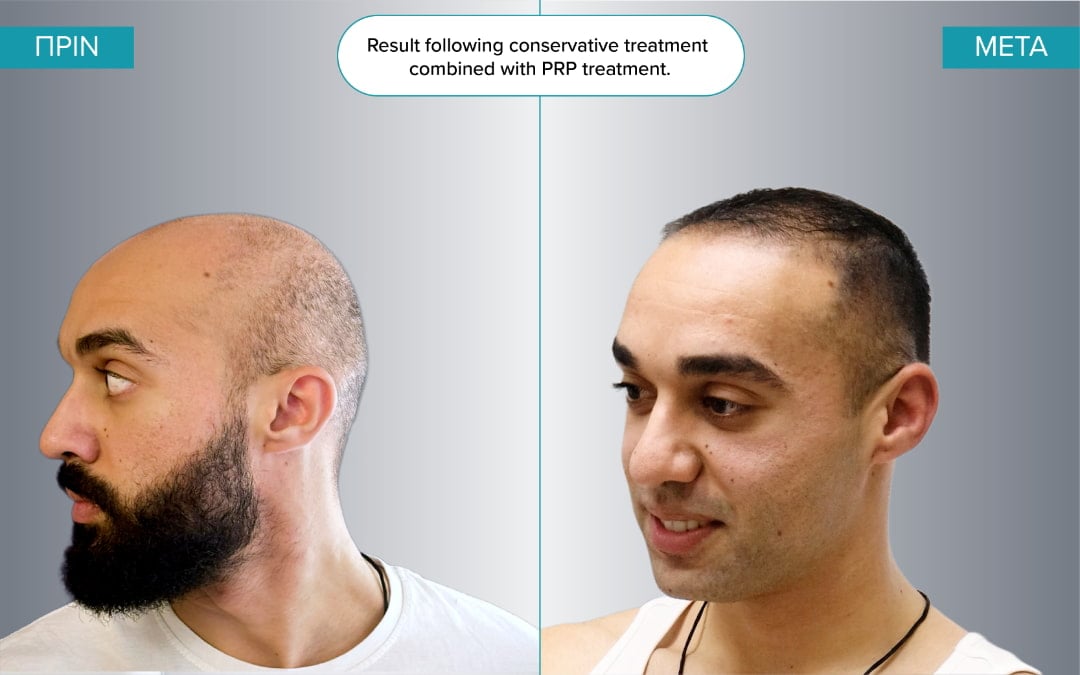
High Efficacy
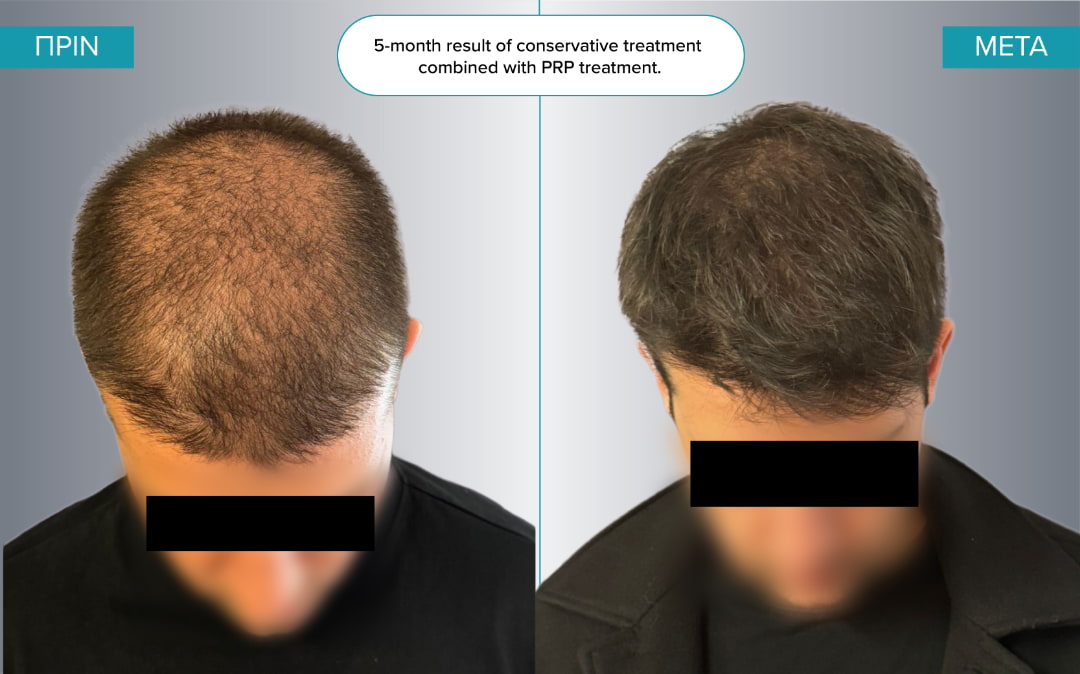
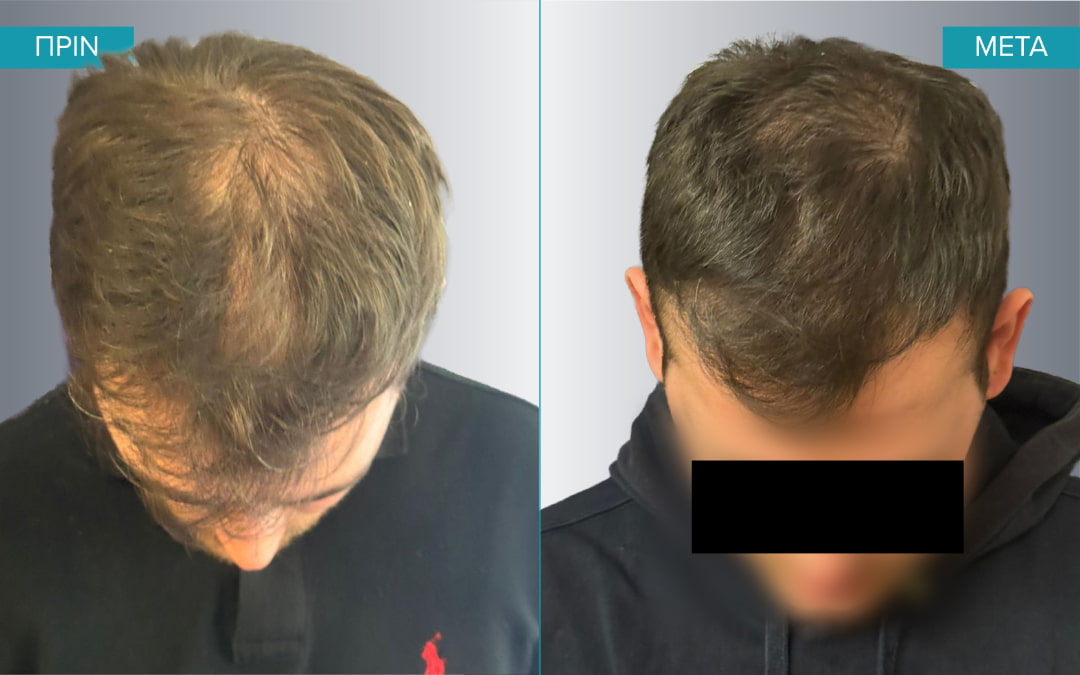
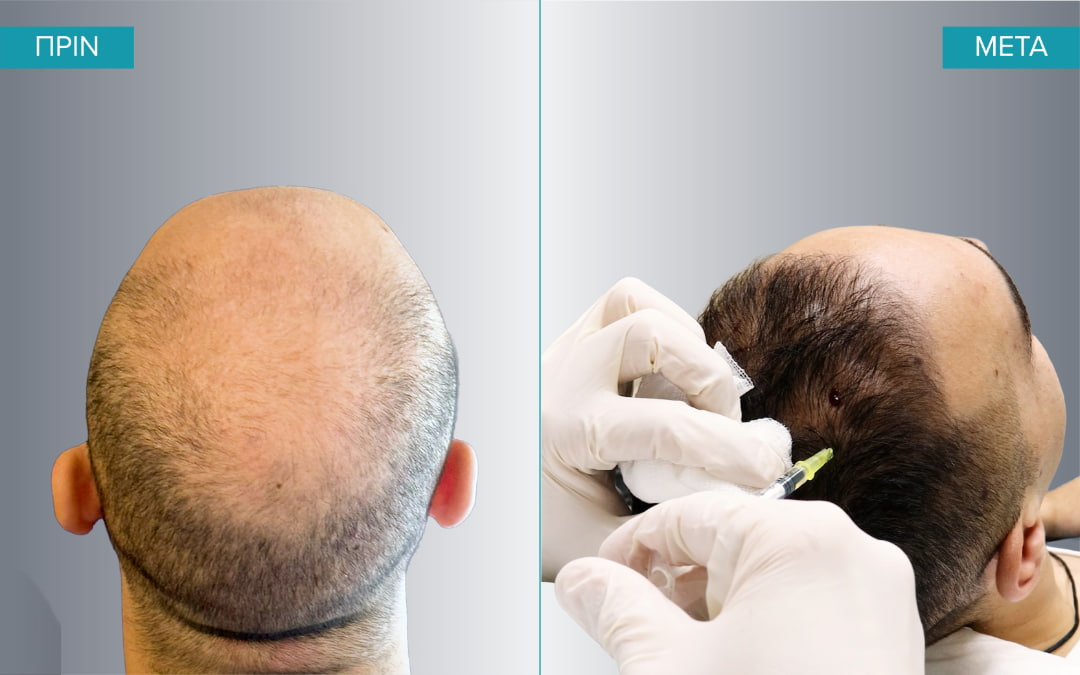
Are You a Suitable Candidate for PRP Therapy?
Only a properly trained dermatologist or plastic surgeon can answer this question, as the indications for PRP therapy vary for each patient depending on the problem and the degree of hair loss.
At Advanced Hair Clinics, we have extensive expertise and experience and can treat all types of hair loss. Book your free consultation now. Call from Greece at (+30) 210 6980451 and from Cyprus at (+357) 25251040, or leave your message below and we will respond as soon as possible.
References
- FDA, Same Surgical Procedure Exception under 21 CFR 1271.15(b): Questions and Answers Regarding the Scope of the Exception, https://www.fda.gov/media/89920/download
- US definitions, current use, and FDA stance on use of platelet-rich plasma in sports medicine, https://pubmed.ncbi.nlm.nih.gov/25268794/
- https://ishrs.org/patients/treatments-for-hair-loss/medications/platelet-rich-plasma/
- https://www.plasticsurgery.org/news/press-releases/the-evolving-role-of-platelet-rich-plasma-in-plastic-surgery
- Platelet Rich Plasma and Its Use in Hair Regrowth: A Review: https://pmc.ncbi.nlm.nih.gov/articles/PMC8922312/
- Effectiveness of platelet‐rich plasma in treating female hair loss: A systematic review and meta‐analysis of randomized controlled trials https://pmc.ncbi.nlm.nih.gov/articles/PMC11342464/
Book an Appointment with Our Medical Team
Book an appointment at ADVANCED HAIR CLINICS for a diagnosis and find answers to your questions about hair transplantation.
Contact Form