
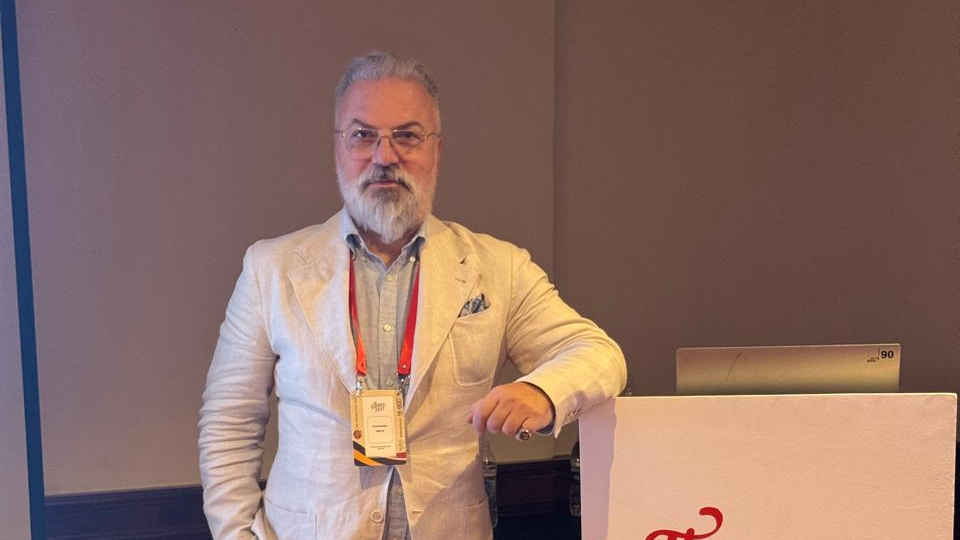
Dr Anastasios Vekris at The Grand Fest Egypt 2026: New Trends in Hair Transplantation
Hair loss treatment is no longer limited to hair transplantation, as scientific research and advances in medical technology continue to expand the available options. Medication, regenerative treatments and advanced FUE techniques can be used as part of an individualised treatment plan, according to each patient’s needs and characteristics. The aim is not only to restore areas that have lost density, but also to preserve existing hair, with an emphasis on safety and the long-term management of hair loss.
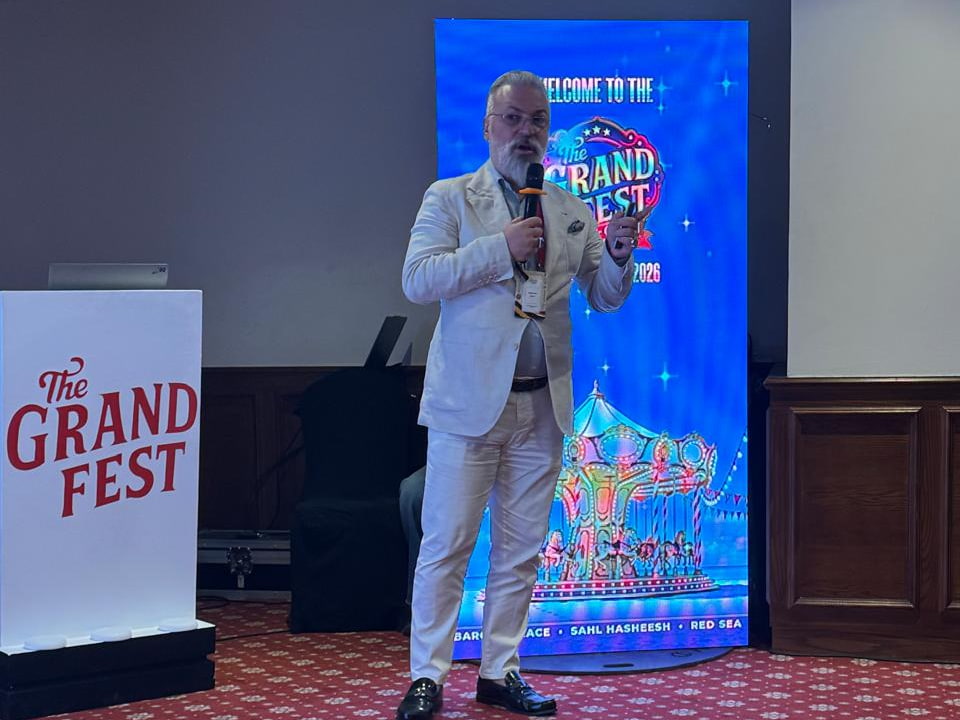
Developments in this field were at the centre of the international congress The Grand Fest Egypt 2026, held in Egypt from 12 to 14 November 2026, with the participation of Dr Anastasios Vekris. Dr Anastasios Vekris, Plastic Surgeon, Founder and Scientific Director of Advanced Hair Clinics and President of the FUE Europe Society of Hair Restoration, took part as an invited speaker, presenting “Hair Transplant Updates” on 13 November.
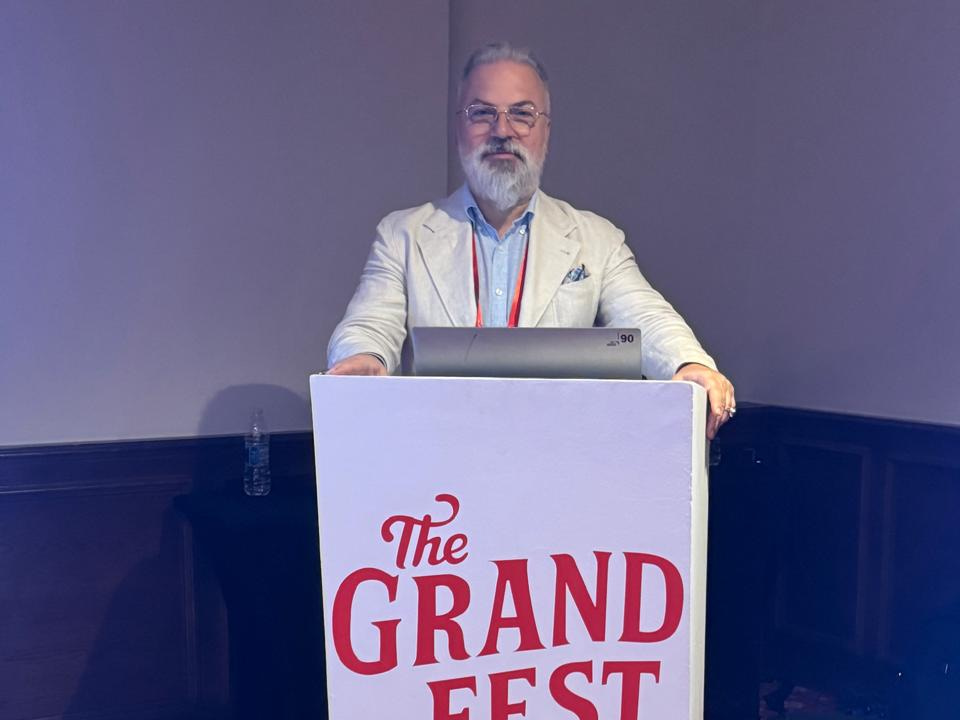
His participation provided another opportunity to exchange scientific knowledge and clinical experience with physicians and aesthetic medicine professionals from different countries. It also highlighted the importance of continuing education in a field where new technologies, therapeutic methods and surgical protocols are developing rapidly.
Treating Hair Loss Beyond Transplantation
Hair transplantation is one option for restoring hair growth, but it cannot, by itself, address every cause of thinning. This is especially relevant to androgenetic alopecia, the most common form of progressive hair loss, which is associated with genetic predisposition and the effects of androgens on hair follicles. Even after a successful transplant, non-transplanted hair may continue to thin if the underlying hair loss process remains active. For this reason, accurate diagnosis and an assessment of how alopecia may progress in the future are essential parts of treatment planning.
In his scientific work, Dr Vekris discusses various pharmaceutical options that, where medically indicated, may help slow hair loss or support hair growth. These include:
- Finasteride: Reduces the conversion of testosterone into dihydrotestosterone (DHT), a hormone that contributes to the gradual miniaturisation of hair follicles in androgenetic alopecia.
- Minoxidil: Is used to support hair growth and improve hair density. The formulation and method of administration are chosen according to the individual patient.
- Dutasteride and spironolactone: Are additional pharmaceutical options with different mechanisms of action that may be considered for appropriately selected patients, taking into account the indications and limitations of each drug.
The choice of treatment depends on sex, age, medical history, the type and extent of alopecia, and potential adverse effects. Some of the pharmaceutical uses described above are outside their approved indications and require careful medical assessment. Consequently, no single treatment is suitable for everyone, and the same drug therapy is not necessarily appropriate for every patient. Management is planned according to the findings of the clinical assessment and the agreed treatment goals.
Regenerative Treatments: Where Does Research Stand Today?
Alongside established pharmaceutical options, regenerative treatments for hair loss are attracting increasing scientific interest. These approaches seek to use biological mechanisms to support hair follicle function and improve conditions in the scalp. Although they are often grouped under a single heading, they differ considerably in how they are applied, how they work and how much scientific evidence is available to support them.
Autologous PRP Hair Mesotherapy
Autologous PRP hair mesotherapy is one of the more extensively studied complementary approaches for certain forms of hair loss. The procedure involves taking a small blood sample from the patient and processing it to isolate plasma with a higher concentration of platelets. This preparation contains growth factors involved in biological processes associated with healing, cell communication and tissue function.
PRP is used in selected cases of hair loss with the aim of improving the density and quality of existing hair. It may be considered as an adjunct within a broader treatment plan, and its use alongside hair transplantation is also being studied. However, responses vary between patients and depend on factors such as the type of alopecia, the stage of thinning and the treatment protocol. In addition, PRP preparations are not fully standardised across studies and clinical protocols, so their results must be interpreted with care.
TRICOPAT and Combined Scalp Technologies
A different approach is offered by TRICOPAT, a non-surgical method that combines several technologies applied to the scalp. The scientific material presented by Dr Vekris describes the use of a special gel, mechanical stimulation of the skin through the skin patting technique and photostimulation. Together, these mechanisms are intended to act on the environment around the hair follicle and support conditions conducive to hair growth.
The method is considered within the non-surgical management of hair thinning, including its potential use alongside other treatment options. Its suitability depends on the diagnosis, the condition of the scalp and the goals set for the individual patient. It is also important to distinguish proposed mechanisms of action from clinically demonstrated effectiveness, since adequate, high-quality scientific evidence is needed to assess the outcomes of each technology.
Exosomes and Cell-Based Therapies
Research into exosomes and cell-based therapies is another area of regenerative medicine. Exosomes are microscopic extracellular vesicles that carry biological molecules and participate in communication between cells. Researchers are investigating whether they could influence processes associated with hair follicle function, inflammation and the environment in which hair grows. Different autologous cell-based approaches are also being studied, although these vary in how they are prepared and administered.
Despite the interest generated by early research findings, these applications are not yet established hair loss treatments supported by sufficient evidence of long-term effectiveness and safety. The lack of standardised protocols, differences between preparations and questions surrounding regulatory approval are all important considerations. New methods should therefore be assessed on the basis of reliable clinical evidence rather than the potential promised by technological innovation alone.
Long Hair FUE and New Technologies in Surgical Hair Restoration
Advances in surgical hair restoration are closely linked to improvements in the techniques used to extract and implant follicular units. The FUE method involves extracting individual grafts from the donor area and implanting them where hair is thinning. One modern variation is Long Hair FUE, in which the length of the hair is preserved during extraction and implantation. This allows the patient to obtain an initial impression of how the transplanted hair has been distributed immediately after surgery, although it does not represent the final result. The technique requires more demanding handling and is not suitable for every case, particularly when a very large number of grafts must be transferred.
Other advances in FUE include tools such as hybrid punches and electronically controlled devices that allow extraction parameters to be adapted to the characteristics of individual hair follicles. At the same time, robotic technology and artificial intelligence applications are being developed to improve precision in specific stages of the procedure. Despite their potential, these technologies still have limitations and cannot replace the experience and clinical judgement of a specialised surgeon.
FUE Mega Sessions: Why More Grafts Do Not Always Mean Better Results
Mega Sessions are extensive hair transplantation procedures in which a large number of follicular units, often more than 4,000, are transferred, although there is no universally agreed numerical threshold. Such procedures may be considered for patients with extensive thinning and sufficient donor hair. However, transferring more grafts does not guarantee a better outcome, because patient safety and preservation of the donor area remain fundamental to success.

Dr Anastasios Vekris has addressed this issue in his scientific presentation “How to Optimize Hair Growth in Mega Sessions of FUE Hair Transplantation”, emphasising the importance of appropriate surgical planning. Donor-area quality and density, age, medical history and the potential future progression of alopecia all help determine how many grafts can be transferred safely. A significant risk is overharvesting, the excessive removal of follicles from the donor area, which may cause visible thinning and limit future transplantation options. For this reason, in some cases restoration is preferably divided into more than one session in order to protect the available donor hair and maintain better control over the procedure.
Graft Survival Is a Key Measure of Success
Beyond graft numbers, the way grafts are extracted, preserved and implanted is crucial. Follicular units are living tissue and, while outside the body, are vulnerable to dehydration, mechanical injury and unsuitable storage conditions. Therefore, Dr Anastasios Vekris’s medical approach places particular emphasis on careful extraction, appropriate hydration and minimising the interval before implantation in order to help preserve graft viability.
Time management becomes even more important during lengthy procedures, which require continuous coordination among members of the surgical team. Proper organisation of each stage, the experience of healthcare professionals and adherence to appropriate protocols help reduce risks. Ultimately, the success of a transplant depends not only on the number of follicular units transferred, but also on the overall quality of the procedure and the conditions that allow them to grow.
Advanced Hair Clinics Continues Its International Scientific Presence
The participation of Dr Anastasios Vekris in The Grand Fest Egypt 2026 marks another milestone in his international scientific activity in surgical hair restoration. Through congresses and specialised educational events, he contributes to discussions on new therapeutic possibilities, technological advances and improvements in surgical practice. Exchanging knowledge and clinical experience with specialists from different countries is an important part of this work, enabling dialogue about both the potential and the limitations of available methods.
For Advanced Hair Clinics, ongoing scientific education and the assessment of new techniques are integral to a medical approach that prioritises safety, individualised care and natural-looking results. Progress in hair transplantation is measured not solely by new devices or the ability to perform larger procedures, but above all by how scientific knowledge and surgical expertise are put to use for patients’ benefit.
Watch highlights from The Grand Fest Egypt 2026 and Dr Anastasios Vekris’s participation in the video below.

Book an Appointment with Our Medical Team
Book an appointment at ADVANCED HAIR CLINICS for a diagnosis and find answers to your questions about hair transplantation.
Contact Form