
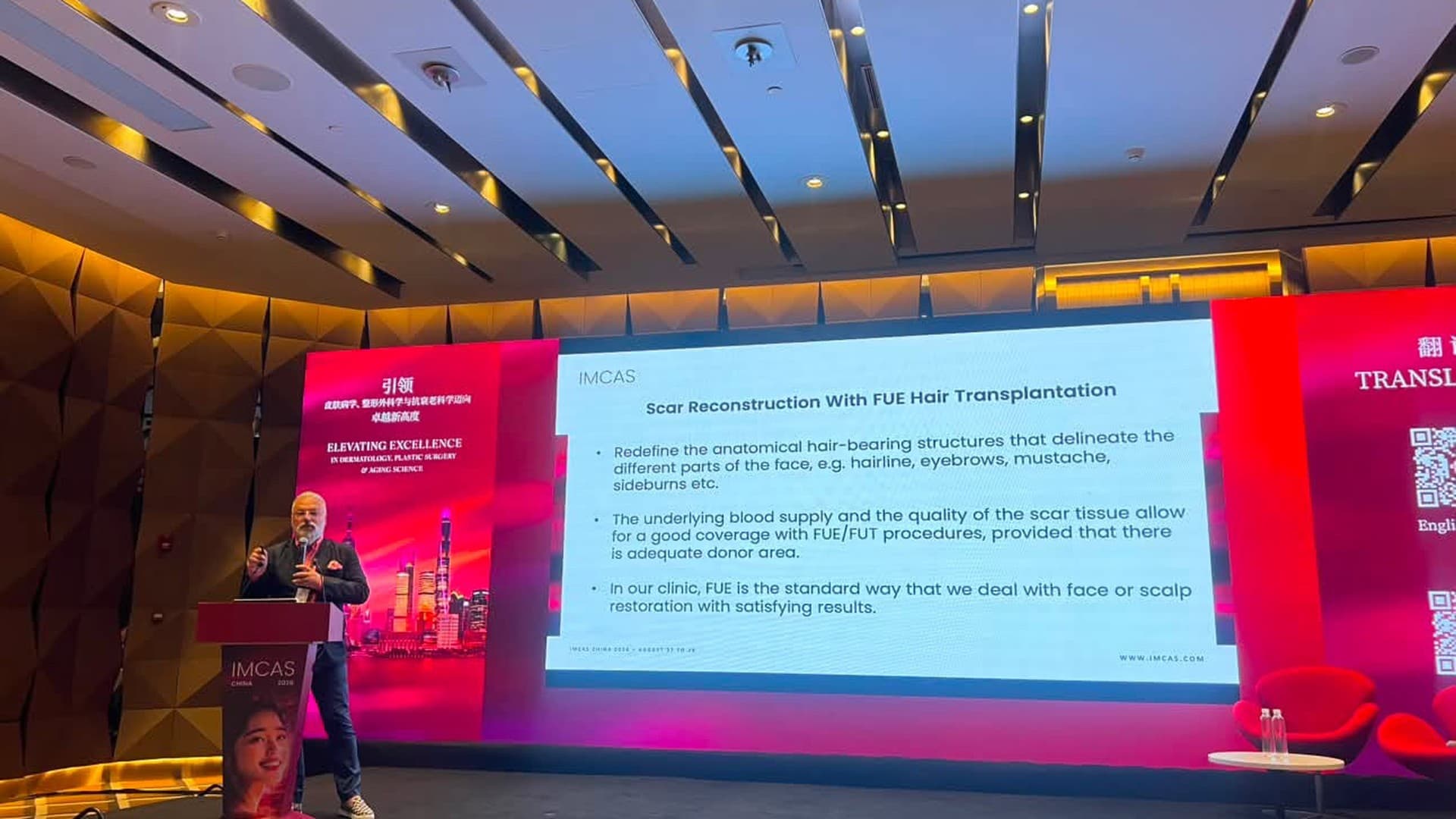
Advanced Hair Clinics at IMCAS China 2026 with Two Lectures by Dr. Anastasios Vekris
Dr. Anastasios Vekris presented two demanding applications of modern hair transplantation at IMCAS China 2026, held in Shanghai from 27 to 29 August 2026.
IMCAS China is an international scientific event in the fields of dermatology, plastic surgery and aesthetic medicine, with particular emphasis on techniques and clinical needs relating to East Asian populations. The 2026 programme included scientific lectures, live demonstrations, workshops and presentations of advanced technologies.
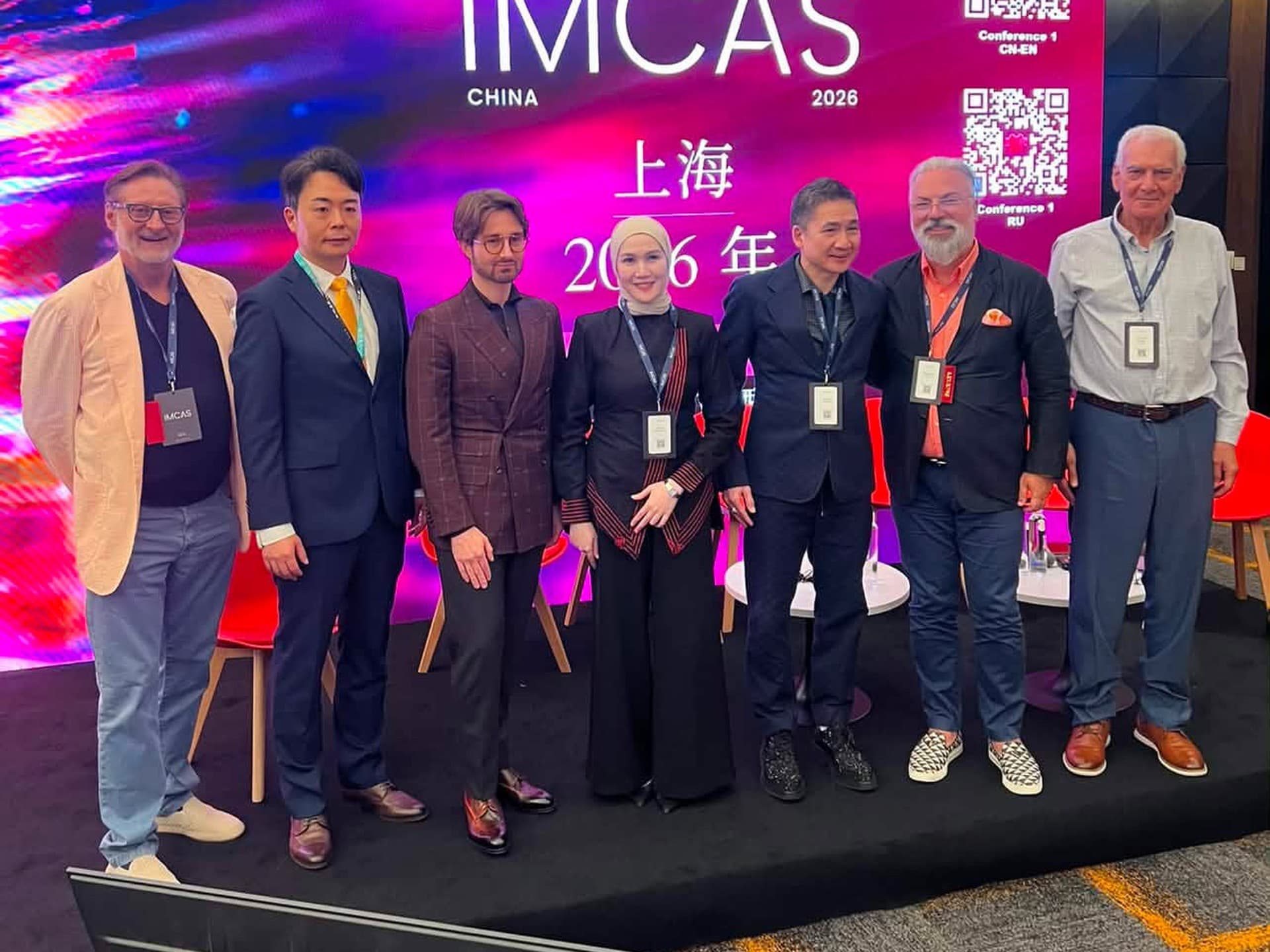
Dr. Vekris was accompanied by Dr. Marianna Anevlavi, as part of the Group’s international scientific presence and its exchange of knowledge with specialists from different countries.
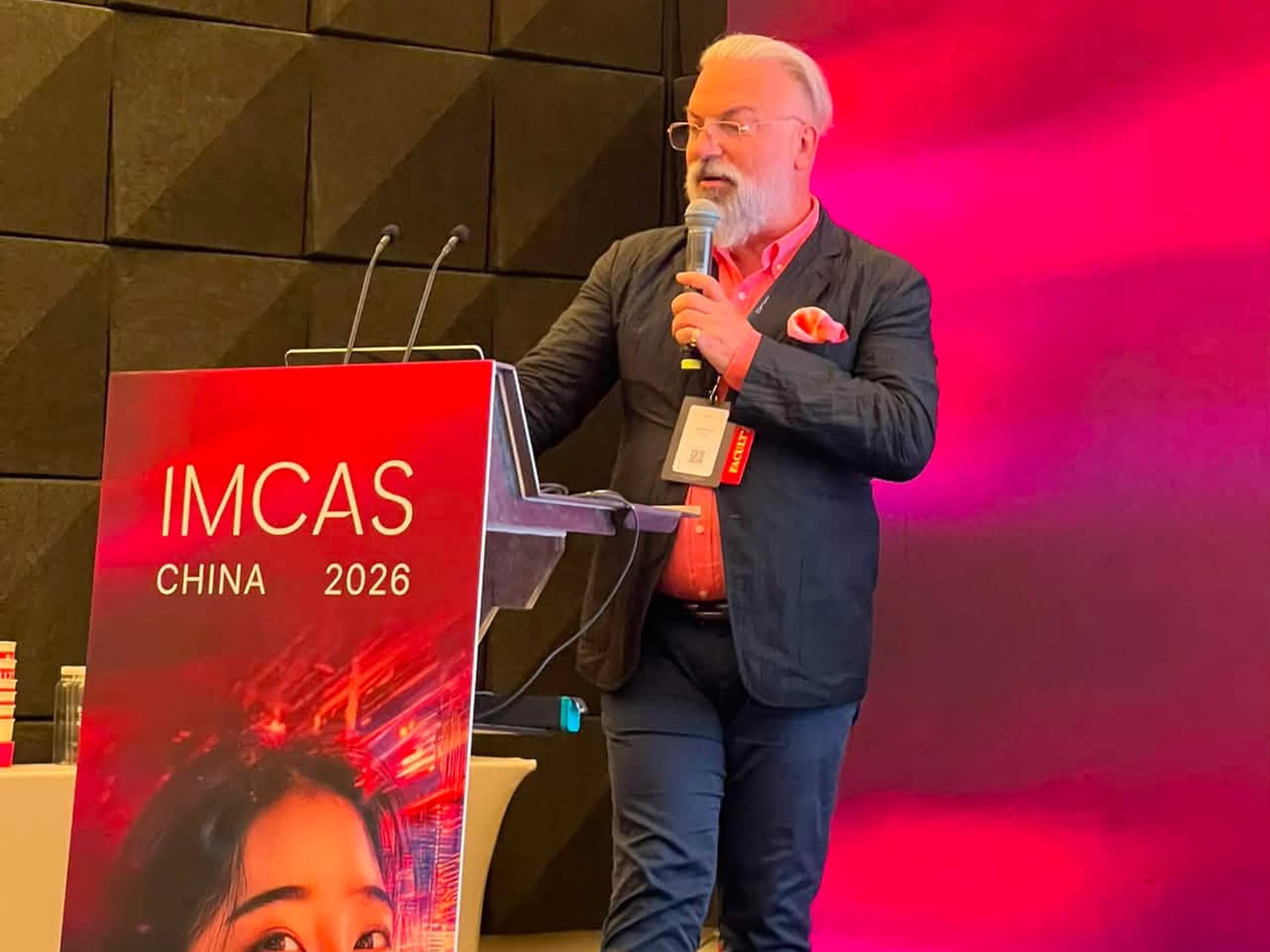
Dr. Anastasios Vekris, Plastic Surgeon, Founder & Medical Director of Advanced Hair Clinics and President of the FUE Europe Society of Hair Restoration, participated in the programme with the following lectures:
- “Facial Hair as Donor & Recipient Area in FUE”
- “FUE Scar Restoration Algorithm”
The Dual Role of Facial Hair in FUE
The first lecture examined facial hair from two different perspectives: as a recipient area that may require aesthetic or reconstructive restoration and as an alternative donor area in selected hair transplantation cases.
The beard, moustache and sideburns contribute to the shape and overall appearance of the male face. The density and distribution of facial hair can vary significantly between individuals and across different populations.
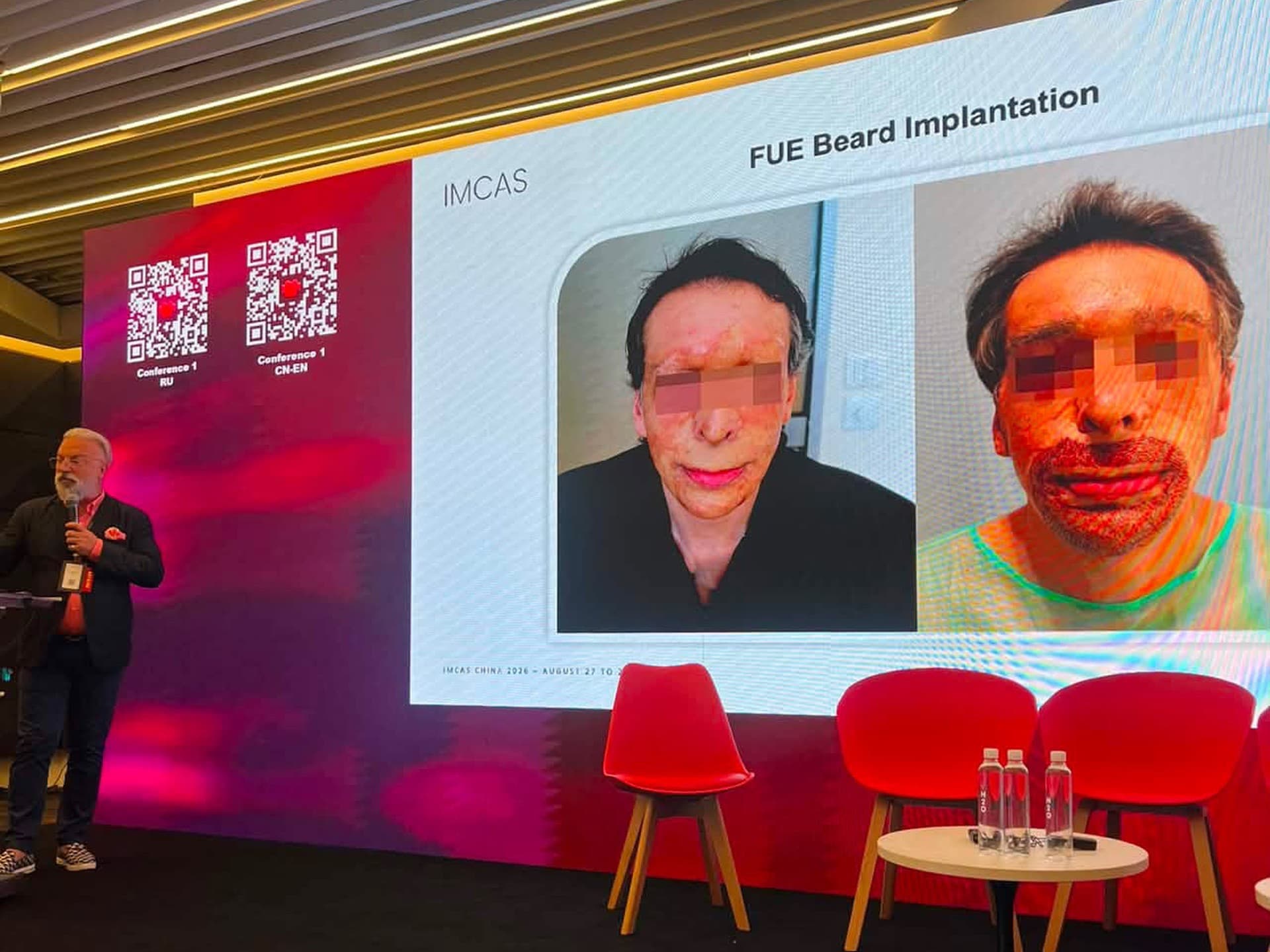
Sparse areas, scars, injuries or the congenital absence of facial hair may create an indication for restoration with FUE. At the same time, the growing aesthetic importance of the beard in recent years has led more men to seek improvement in its density or shape.
Why Beard Transplantation Requires Detailed Planning
Beard restoration is not necessarily a small procedure. Covering a limited scar may require only a small number of hair follicles, whereas the creation of a full beard may require several thousand.
The design must follow the natural variations in hair direction and angle in each area. Hair grows differently on the cheeks, along the jawline, on the moustache and beneath the lower lip. Even adjacent areas may present significant variations.
Single-hair follicular units are mainly used along the borders of the beard to create a more natural transition. Units containing more hairs may be placed within the central areas, depending on the desired density.
The rich blood supply of the face may support hair follicle growth. However, the natural appearance of the result largely depends on precise control of their angle, direction and distribution.
The Beard as a Supplementary Donor Area
The FUE technique enables the extraction of hair follicles from different areas of the body without creating a linear scar. When the scalp donor area is insufficient, depleted or affected by previous procedures, the beard may be considered an additional source of hair follicles.
Beard hair usually has a greater diameter than scalp hair. This characteristic can enhance the visual coverage, particularly when beard hair is used in appropriate areas and correctly combined with hair follicles from the scalp.
The chin and the areas beneath the jawline are often the most suitable extraction zones. The procedure requires a different approach in terms of depth, as facial hair follicles are located more superficially and grow in varying directions.
The use of the beard as a donor area is not applied in the same way to every patient. Hair density, diameter and colour compatibility must be assessed, along with the possibility of hypopigmentation, particularly in darker skin types.
FUE Scar Restoration Algorithm
Dr. Vekris’ second presentation focused on the restoration of scars on the scalp and face.
Scars caused by burns, injuries or previous surgical procedures do not always have the same characteristics. Blood supply, tissue thickness, elasticity and depth determine whether FUE can be applied directly or whether another therapeutic intervention should precede it.

The presentation introduced a practical assessment algorithm. In scars with adequate blood supply and a sufficient donor area, hair follicle transplantation may be used to cover the deficit or recreate anatomical features such as the hairline, eyebrows and sideburns.
When tissue quality is uncertain, a limited test session may be performed first. The subsequent growth of the hair follicles indicates whether the scar can support a more extensive restoration procedure.
When Hair Transplantation Is the Final Stage of Restoration
In the most challenging cases, FUE is not necessarily the first intervention. Reduced blood supply and limited tissue elasticity may require tissue improvement through lipotransfer. Extensive deficits may require tissue expanders or flaps.
Hair transplantation may then be used as the final stage to cover any remaining scars and improve the aesthetic continuity of the area.
This approach connects reconstructive plastic surgery with modern Hair Restoration and demonstrates that the most complex cases require gradual and individualised planning.
From the Face to the Donor Area
Dr. Vekris’ two lectures at IMCAS China highlighted the importance of evaluating every case as a whole.
Facial hair may serve both as an area requiring restoration and as a valuable supplementary donor source. Similarly, a scar should not be approached simply as an empty area requiring coverage, but as tissue with specific biological and anatomical properties.
As a Globally Awarded Clinic, with 15 clinics across Greece and Cyprus, Advanced Hair Clinics continues to participate in international scientific events that promote the exchange of clinical experience and the advancement of hair transplantation techniques.
Book an Appointment with Our Medical Team
Book an appointment at ADVANCED HAIR CLINICS for a diagnosis and find answers to your questions about hair transplantation.
Contact Form