
Advanced Hair Clinics at the Egypt Hair Congress 2026 with Two Scientific Presentations by Dr. Anastasios Vekris
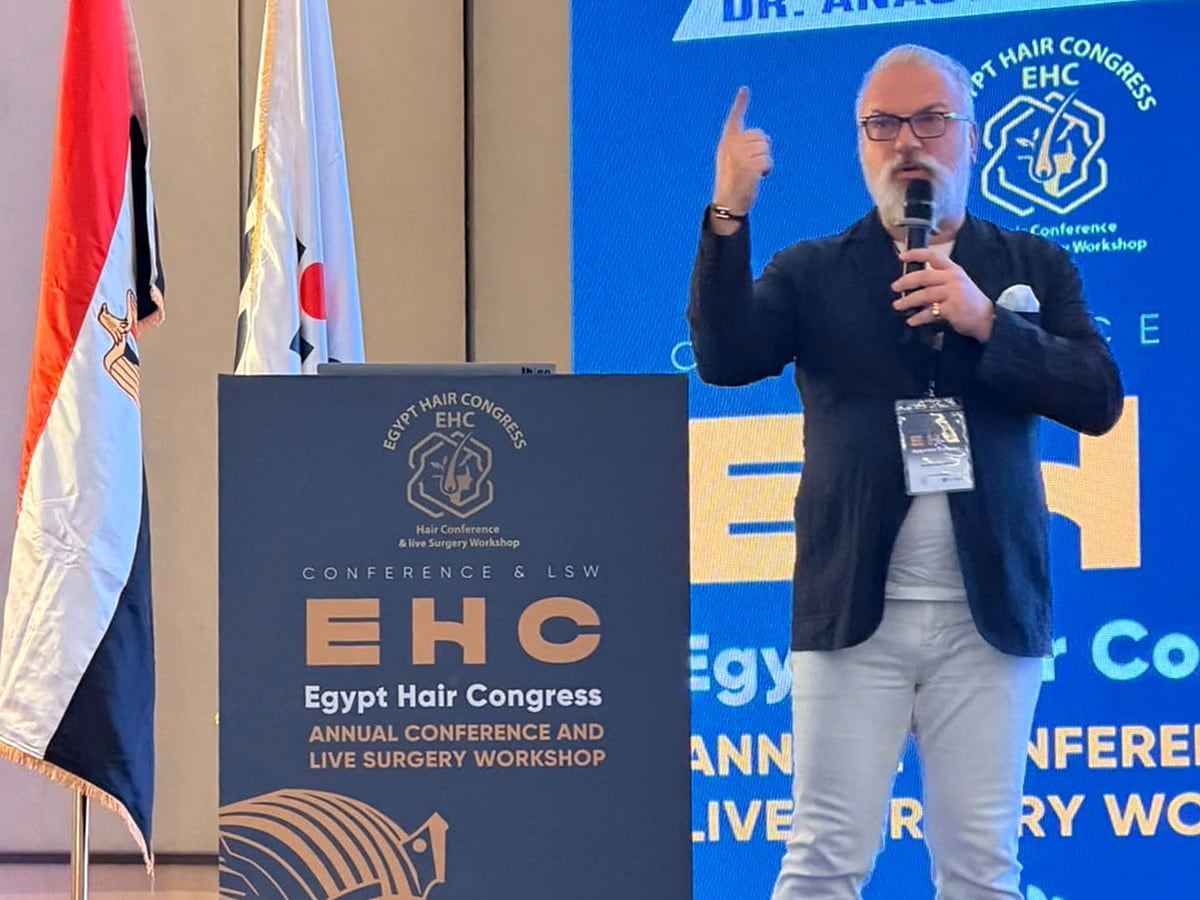
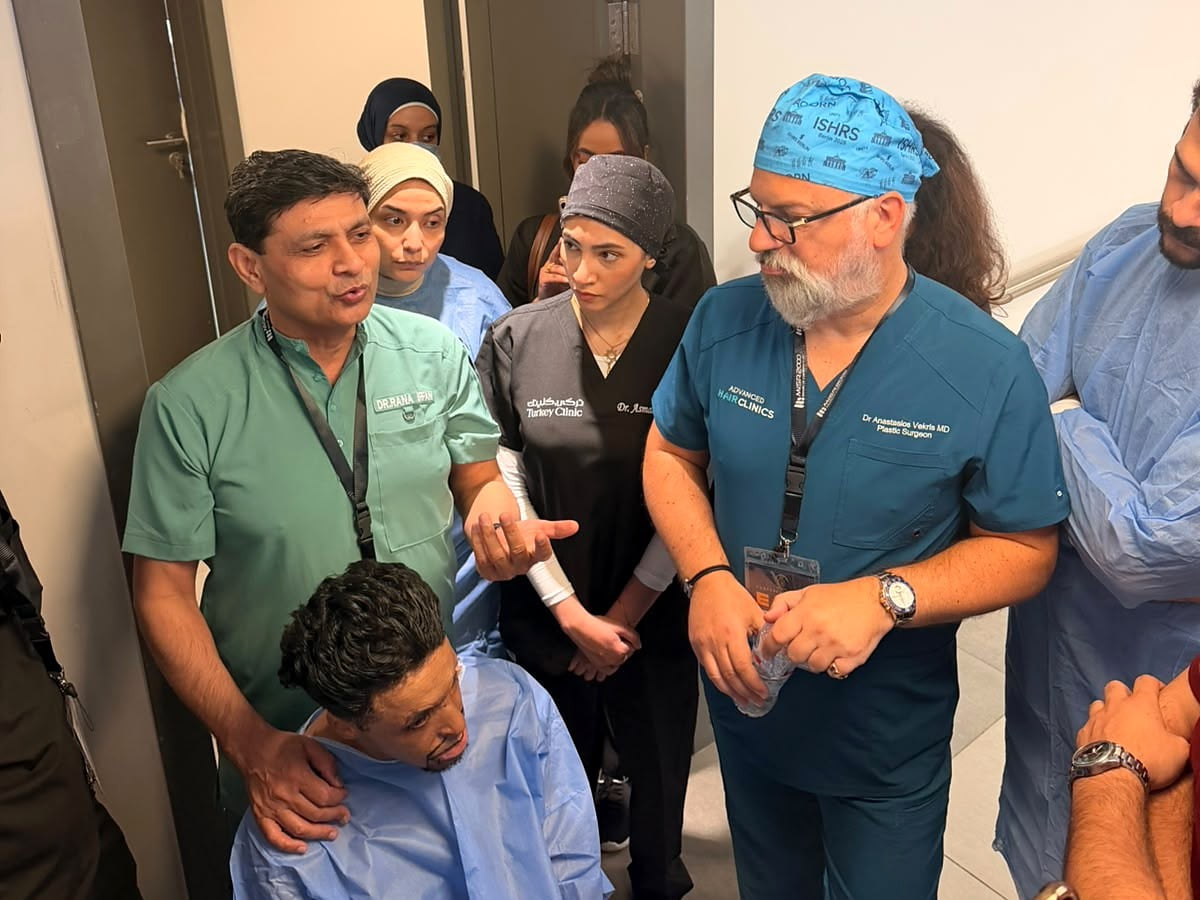
Dr. Anastasios Vekris participated in the Egypt Hair Congress (EHC) 2026, held on 22 and 23 July 2026, delivering two scientific presentations on modern and demanding applications in hair restoration.
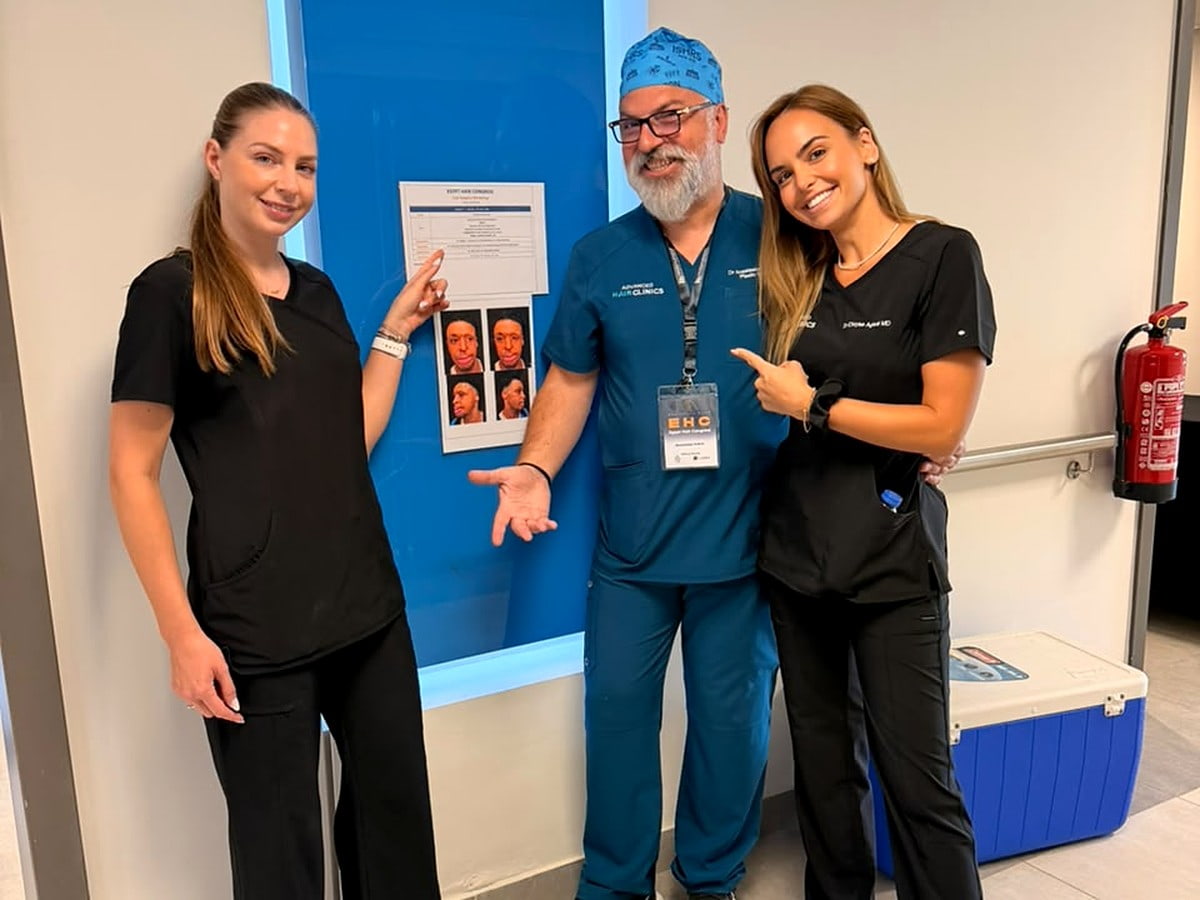
Dr. Vekris was accompanied by Chrysa Agioti and Marianna Papadaki from the Advanced Hair Clinics team, as part of the clinic’s international scientific presence and its ongoing exchange of knowledge with specialists from different countries.
Dr. Anastasios Vekris, Plastic Surgeon, Founder & Medical Director of Advanced Hair Clinics and President of the FUE Europe Society of Hair Restoration, presented two distinct topics reflecting the broad scope of contemporary Hair Restoration: scar restoration through hair transplantation and the applications of autologous micrografting in hair regeneration.
Various Techniques of Scar Restoration in Hair Transplantation
Dr. Vekris’ first presentation was entitled “Various Techniques of Scar Restoration in Hair Transplantation” and focused on one of the most demanding fields of surgical hair restoration: the treatment of hair loss in areas affected by scar tissue.
Modern hair transplantation can address a broad range of androgenetic and cicatricial alopecia cases. However, there are complex cases in which burns, injuries or previous surgical procedures have caused significant hair-bearing tissue deficits on the scalp or face.
In such cases, planning is not limited to the placement of hair follicles within the scar. Blood supply, elasticity and the quality of the scar tissue, along with the availability of a sufficient donor area, are essential parameters that must be assessed before selecting the appropriate technique.
The Role of FUE in Scar Restoration
During his presentation, Dr. Vekris analysed the role of FUE (Follicular Unit Excision) in restoring areas of the face and scalp affected by burns or injuries.
In these cases, the objective of hair transplantation may extend beyond concealing the scar. It may also involve recreating anatomical features defined by hair growth, such as the hairline, eyebrows, moustache or sideburns.
When the blood supply and quality of the scar tissue are suitable and the donor area is sufficient, hair follicle transplantation may offer an option for restoring the affected area.
However, not all scars are the same. When uncertainty exists regarding tissue quality, a test FUE may be performed first. This involves placing a limited number of grafts and evaluating their growth before the medical team proceeds with a larger session.
When FUE Needs to Be Combined with Other Techniques
The management of more complex cases was a particularly important part of the presentation.
Reduced blood supply, limited skin elasticity and an insufficient donor area can make conventional hair transplantation extremely difficult or, in certain cases, unsuitable as a standalone therapeutic approach.
Selected patients may therefore require a combination of plastic surgery and Hair Restoration techniques.
The approaches presented included lipotransfer, aimed at improving local blood supply and scar-tissue quality before transplantation, as well as more complex reconstructive techniques for cases involving extensive tissue deficits.
One notable example involved a case of extensive post-traumatic or post-burn alopecia in which conventional FUE or FUT was not initially selected because of the extent of the alopecia, the insufficient donor area and the poor quality and blood supply of the scar.
Treatment proceeded gradually through plastic surgery techniques, followed at a later stage by FUE to restore the remaining scar.
This approach highlighted a key message of the presentation: complex cases cannot be treated with one technique applied universally to every patient. They require an individualised treatment plan.
GCell Autologous Micrografting: The Science Behind Hair Regeneration
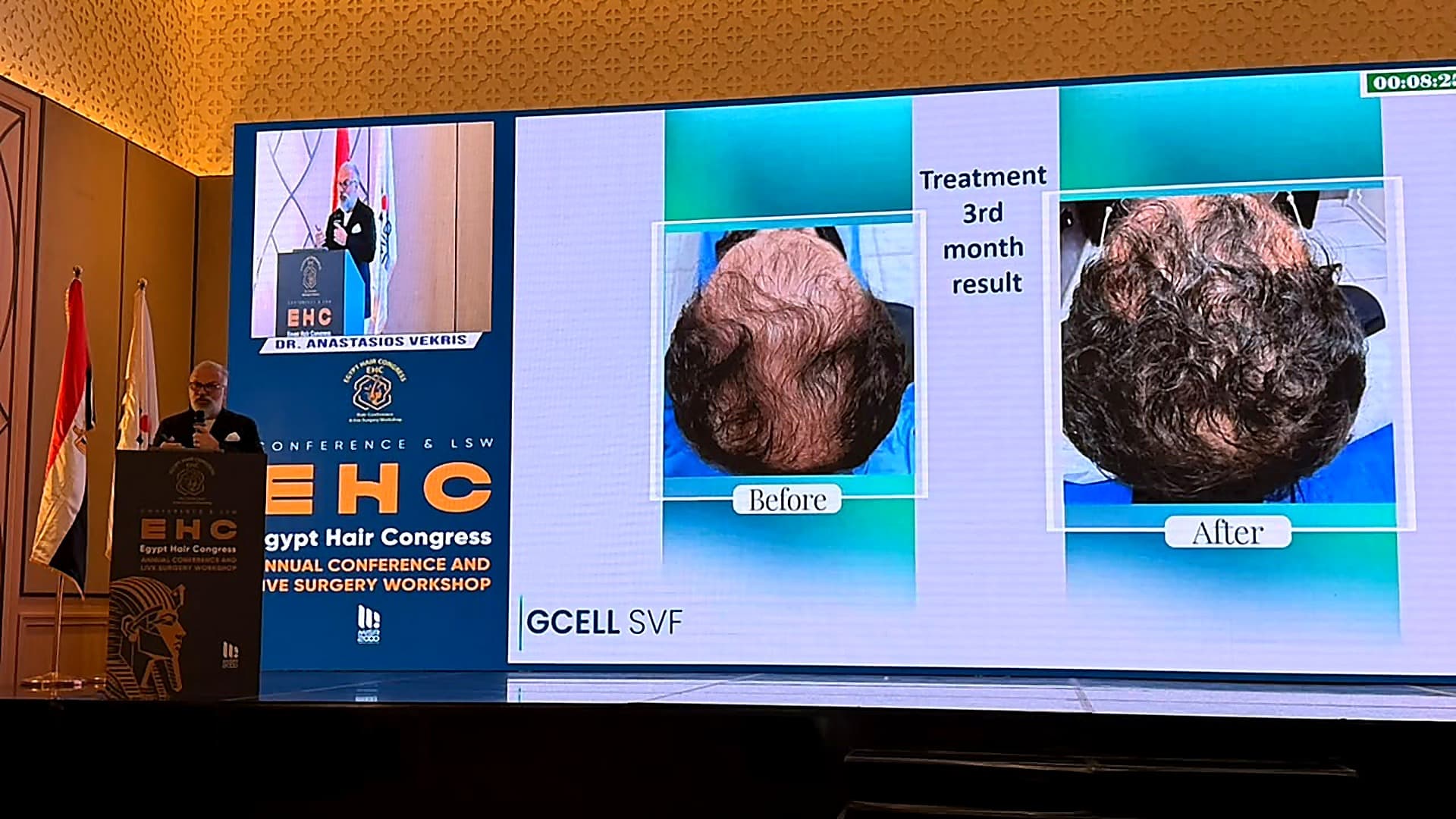
Dr. Vekris’ second presentation at the Egypt Hair Congress shifted from surgical restoration to modern applications of regenerative medicine. It was entitled “GCell Autologous Micrografting: The Science Behind Hair Regeneration.”
The presentation focused on autologous micrografting, which uses cellular material obtained from the patient’s own body.
According to the presentation, the hair application involves collecting small biopsies from the area behind the ear. This region is resistant to the effects of DHT and rich in progenitor cells. The material is then processed within a closed system to prepare the solution used in the treatment area.
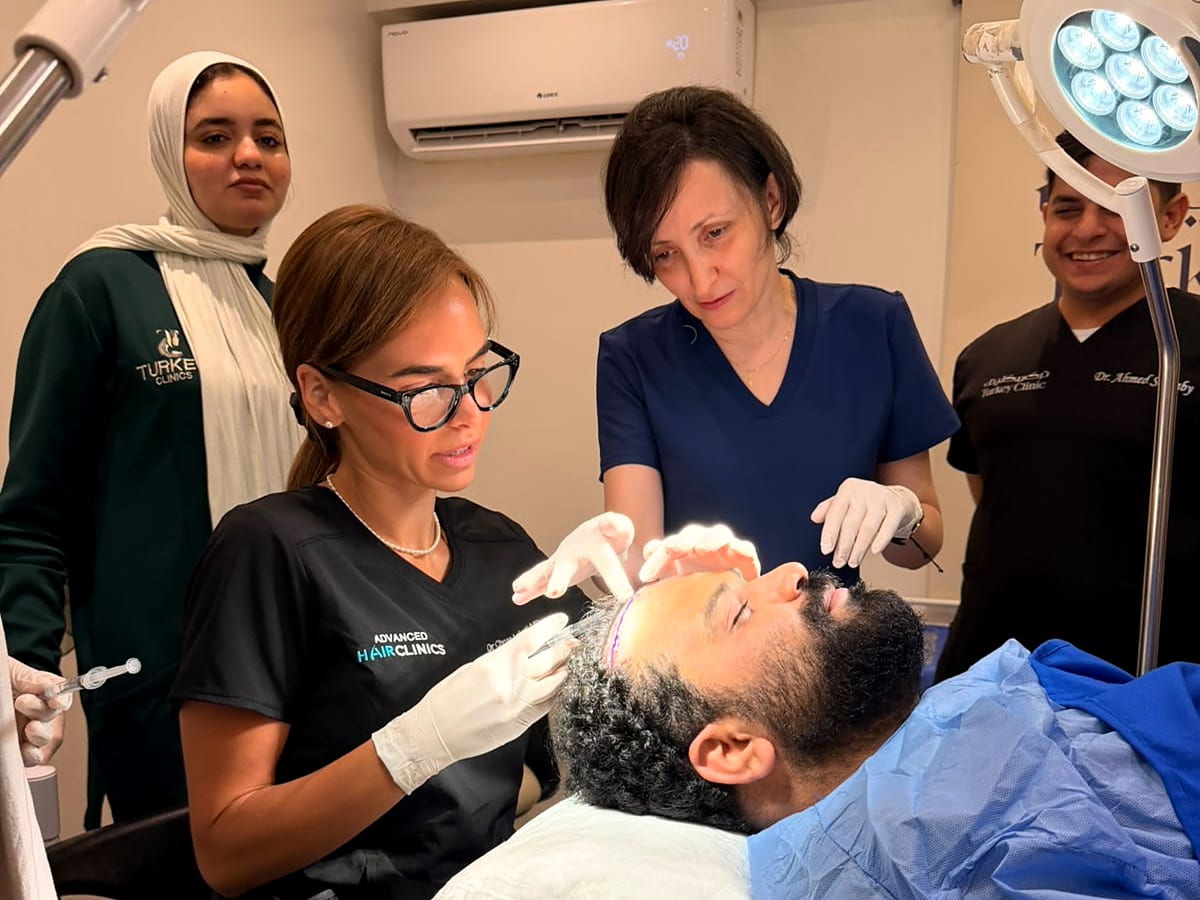
Particular attention was given to hair follicle stem and progenitor cells, which are associated with the natural mechanisms responsible for maintaining and regenerating hair follicles.
How Can Autologous Micrografting Be Incorporated into Treatment?
The potential clinical indications discussed during the presentation included early to moderate androgenetic alopecia, diffuse hair thinning and supportive use before, during or after hair transplantation.
An especially important point was that this approach does not replace hair transplantation when surgical restoration is indicated.
Instead, it forms part of a broader hair-loss treatment strategy. The appropriate treatment is selected according to the type and stage of alopecia, the condition of the existing hair follicles and the individual needs of each patient.
From Reconstructive Surgery to Regenerative Medicine
Dr. Vekris’ two presentations at the Egypt Hair Congress highlighted two distinct but complementary directions in contemporary hair-loss treatment.
On the one hand, FUE and combined plastic surgery techniques can be used in particularly demanding cases involving scars and post-traumatic or post-burn alopecia. On the other hand, autologous micrografting technologies represent an area of interest within regenerative medicine, with applications aimed at supporting the health and function of existing hair follicles.
The common denominator is the need for an accurate diagnosis and an individualised treatment strategy, rather than applying the same protocol to every patient.
The International Scientific Presence of Advanced Hair Clinics
Participation in the Egypt Hair Congress 2026 marked another milestone in the international scientific programme of Dr. Anastasios Vekris and the Advanced Hair Clinics team.
As a Globally Awarded Clinic, with 15 clinics across Greece and Cyprus, Advanced Hair Clinics maintains an active presence at international congresses and scientific events focusing on hair transplantation, hair-loss treatment and developments in regenerative medicine.
Through the participation of Dr. Vekris and other members of the medical team in international scientific meetings, the clinic contributes to the exchange of expertise and the ongoing discussion surrounding the techniques shaping contemporary Hair Restoration.
The presence of Advanced Hair Clinics at the Egypt Hair Congress 2026, with two different scientific topics, reflected this comprehensive approach: from the most complex cases of reconstructive hair transplantation to the latest applications of regenerative medicine.
Book an Appointment with Our Medical Team
Book an appointment at ADVANCED HAIR CLINICS for a diagnosis and find answers to your questions about hair transplantation.
Contact Form