
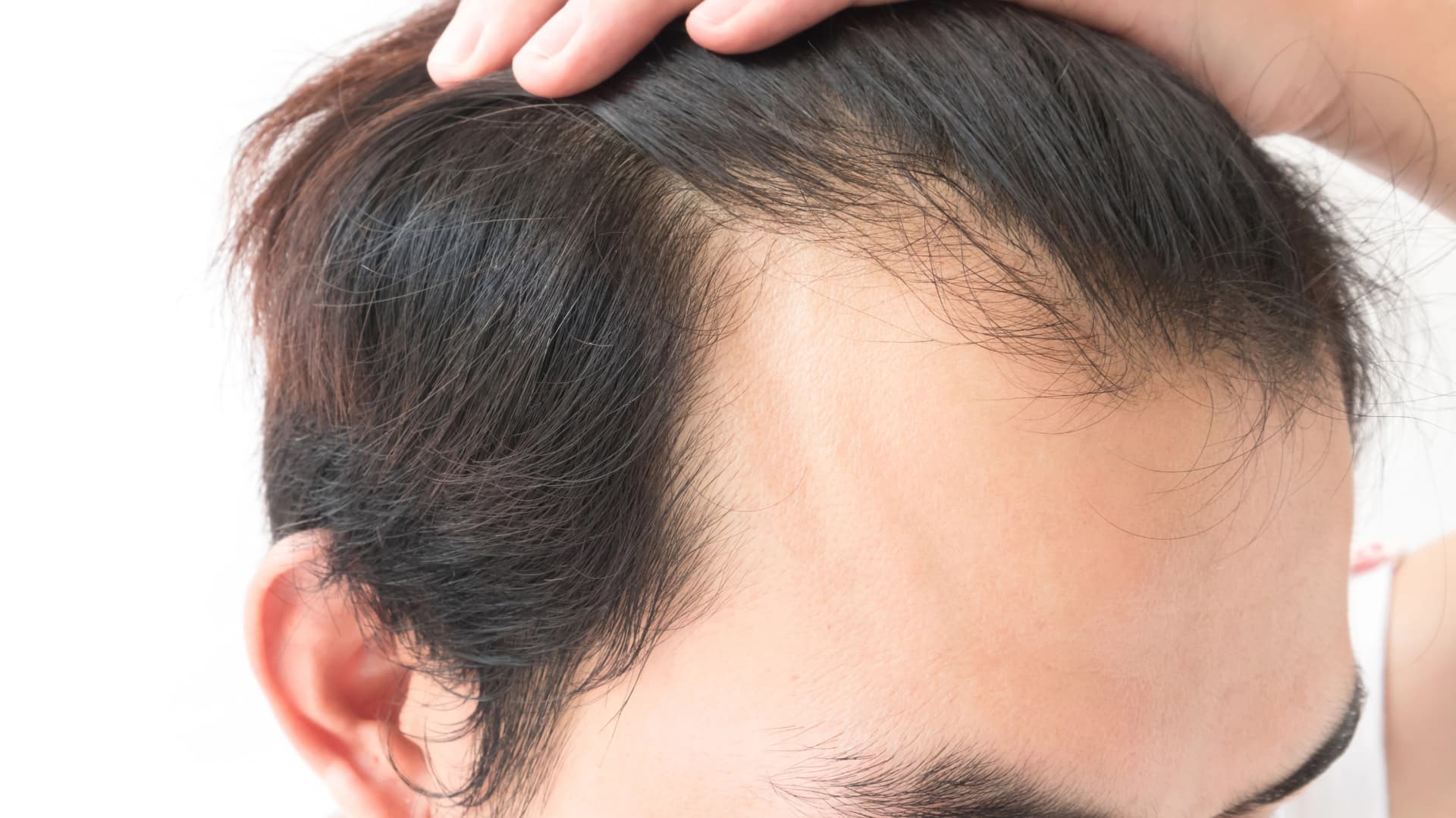
Hair Transplant in Winter - What You Need to Know
Hair transplantation is not a procedure whose success or failure depends on the season. What changes with the seasons is primarily the patient’s daily routine and recovery conditions. Winter simply offers the advantage of making it easier to protect your scalp during the first few weeks, when the skin is sensitive and the grafts need a stable environment to integrate smoothly.
In the first days after transplantation, the goal is for the scalp to heal properly and for the grafts to remain undisturbed, without irritation, friction, excessive sweating, or unnecessary stress from sun exposure and heat. Winter weather conditions naturally minimize these risk factors.
Less Sweating, More Comfortable Recovery
Intense heat and humidity increase perspiration. While sweat doesn’t destroy the grafts, it can cause more discomfort, burning sensation, itching, and in some patients, irritation. Especially during the first few days, when small scabs are present and the skin is in the healing process, a cooler environment provides significantly greater comfort.
Additionally, winter’s slower pace of daily life supports recovery, as activities tend to be less frequent and less intense compared to other seasons.
Reduced UV Exposure
After transplantation, the scalp is more sensitive to sun exposure. Prolonged sun exposure can prolong redness and irritate the area, particularly when the skin hasn’t fully healed yet.
During winter, the intensity of ultraviolet radiation is typically lower, and daily sun exposure is often reduced due to clothing, cloud cover, and spending less time outdoors. This doesn’t mean the sun isn’t harmful in winter, but practically speaking, it’s easier to avoid overexposure, especially during the critical first two weeks.
Less Edema
Post-operative edema (swelling) is possible and expected in many patients. The cooler environment, combined with proper adherence to post-operative instructions—such as sleeping with the head elevated, avoiding strenuous activity, and following the prescribed medication regimen—makes the experience more comfortable. In practical terms, many patients feel better when they don’t also have to contend with the heat.
Greater Discretion
For many people, discretion is an important practical consideration. During the first few days, there may be mild redness, small scabs, or minor marks that someone may prefer not to explain at the office or within their social circle. In winter, wearing a loose beanie or hat is considered perfectly normal. This makes returning to work and resuming daily activities easier, provided the covering is appropriate and doesn’t cause friction to the scalp.
A Calmer Daily Routine
The first week after transplantation doesn’t require complete bed rest, but it does call for a calm approach, moderation in daily activities, and consistent care. For many people, winter naturally provides this environment more easily, with fewer trips, fewer social outings, fewer outdoor activities, and more time spent at home. Additionally, holiday breaks and remote work opportunities, when available, make scheduling a hair transplant more convenient.
What to Expect If You Have a Hair Transplant in Winter
Hair transplantation doesn’t provide immediate aesthetic results. The grafts go through various stages, and it takes time before you see the new hair gaining thickness.
Generally, a typical timeline looks like this:
- around 3 months, the first signs of growth begin to appear
- around 6 months, the difference becomes noticeable for most people
- at 9 to 12 months, you see the fullest picture of density
This is one reason why many people choose winter for their procedure. The progress will be clearly more visible in spring and summer, when you’re spending more time outdoors and want to feel more confident about your appearance, while by the following winter, you’ll be fully enjoying your new hair.
Post-Transplant Care in Winter
While winter helps with recovery, dryness is something you need to manage carefully.
- Indoor heating and dry air can increase dry skin and itching. Use a humidifier and any moisturizing products approved by your doctor.
- Adequate hydration is essential. Drinking plenty of water and maintaining proper nutrition support both skin health and overall recovery.
- Washing should be done with lukewarm water and gentle movements. Very hot water dehydrates and irritates the skin.
- Head coverings, when permitted by your doctor, should have a loose fit and be made of soft fabric, such as cotton. Avoid rigid materials that may cause friction to the scalp, and ensure any covering you choose is clean.
- Sudden temperature changes, such as moving from very cold outdoor temperatures to very warm indoor heating, can increase discomfort in sensitive skin. While not inherently dangerous, you should be mindful of this during the first few days.
Should You Have a Transplant in Winter or Summer?
Winter often facilitates recovery. However, this doesn’t mean you should avoid having a transplant in summer. During summer, for instance, some people have more vacation time and opportunities to rest, which is equally important. On the other hand, heat, perspiration, and sun exposure require greater diligence in following post-operative instructions.
The right question isn’t “which season is best” but rather “which season fits your schedule” and ensures you can properly follow the post-operative guidelines for a more comfortable recovery.
What Really Matters
Winter, on its own, does not affect the long-term results of hair transplantation. What truly matters is not the season, but rather the patient’s suitability for the procedure, proper surgical planning, correct technique, and diligent post-operative care. When these elements are properly addressed, hair transplantation can be performed safely and successfully during any season of the year.
Book an Appointment with Our Medical Team
Book an appointment at ADVANCED HAIR CLINICS for a diagnosis and find answers to your questions about hair transplantation.
Contact Form