
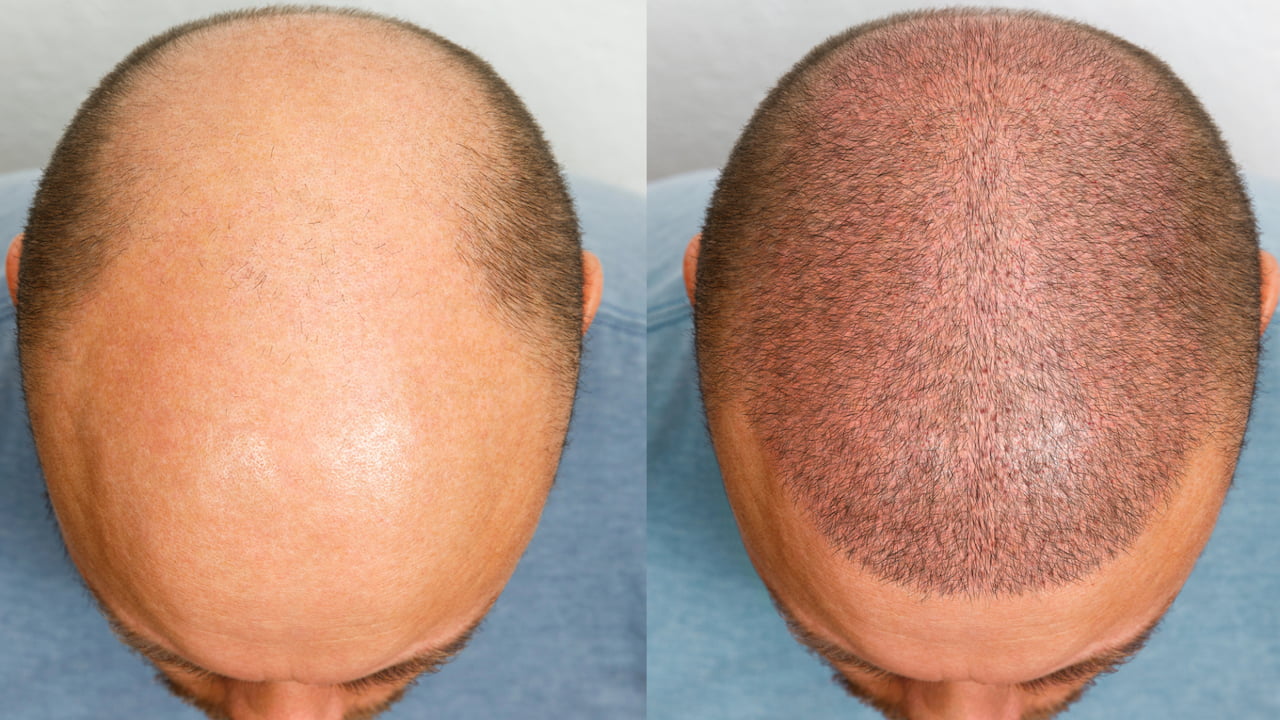
Why autumn is a suitable season for hair transplant
If you notice that every September or October your brush fills up a little more with hair, it’s not your imagination. Autumn hair loss is real, physiological and, in many cases, temporary.
What many people don’t know, however, is that autumn can be a very favorable season for hair transplants. Not because it’s better than other seasons, but because the conditions facilitate specific stages of the procedure. Healing is milder, the schedule more manageable, and irritations fewer.
If you’re considering a hair transplant, autumn might be the opportunity you’ve been waiting for. Not because you have to, but because it might suit you.
What happens to our hair in autumn
Let’s start with the basic issue that hair falls out more in autumn. It’s part of the natural life cycle of hair. In summer, due to heat and sun exposure, hair follicles enter a resting phase. In autumn, this manifests as increased hair loss.
Usually, this is nothing to worry about and hair growth returns to normal within a few weeks. However, if the loss continues for months or is accompanied by thinning, then it might be time for an evaluation by a specialized doctor and you may need a hair transplant.
Why season matters in hair transplant
Hair transplant is a microsurgical procedure that requires not only medical precision, but also proper timing. Like any intervention, it needs the right conditions to achieve the best possible result.
This includes:
- a body that heals properly,
- an environment that doesn’t create complications,
- a daily routine that allows the patient to follow the instructions.
And that’s where autumn comes in to balance these factors.
Autumn provides conditions that facilitate recovery
During autumn, the weather in Greece becomes milder and more stable, which can work supportively for the period after a hair transplant. Temperatures are usually lower than summer and exposure to solar radiation is reduced. This means less sweating, fewer chances of irritation, and greater comfort during the first critical days.
This doesn’t mean conditions are always ideal. Autumn has its peculiarities too. Rain, humidity, or temperature changes may appear. However, compared to other seasons, this is a period where it’s easier to properly care for the transplant area, limit exposure to external factors, and organize your daily life without intense adjustments.
This season offers you the time and space you need to follow post-operative instructions, give your skin the necessary rest, and support the healing process in the most natural way possible.
Each season has its own advantages and disadvantages
If you’re wondering which season is suitable for hair transplant, the truth is there isn’t one single answer. Each of the four seasons has its own characteristics that can either favor or complicate the procedure.
Summer, for example, comes with high temperatures, intense sun, and social activity. These factors can make the post-intervention period more demanding, especially when it comes to protecting the scalp and avoiding sweating. On the other hand, the vacation period is ideal for having enough time for recovery and returning to work in September with hair.
Winter, on the other hand, offers less solar radiation, but brings cold, dryness due to heating, and greater time spent indoors, which may irritate the skin during the healing phase. However, many benefit from the holiday period to recover peacefully at home.
Spring brings increased pollen and allergens, which may affect the scalp, especially in those who are sensitive. But the mild weather favors quick recovery, while Easter holidays provide time to have a hair transplant.
Autumn, finally, offers a combination of elements that work positively for many people. The weather is milder, humidity more balanced, and social demands limited. This doesn’t make it “the best season,” but for many it’s a period that facilitates recovery and return to daily activities.
The choice of the appropriate season ultimately depends on your own lifestyle, your needs, and of course your doctor’s advice.
If you’re considering a hair transplant, book an appointment to evaluate your condition and needs and take the first step toward restoring your hair. Call from Greece at (+30) 210 6980451 and from Cyprus at (+357) 25251040 or leave your message below and we’ll respond as soon as possible.
Book an Appointment with Our Medical Team
Book an appointment at ADVANCED HAIR CLINICS for a diagnosis and find answers to your questions about hair transplantation.
Contact Form